
Topsoil is the original capital
Regenerative Farming: Healing the Soil That Heals You
The thin layer of living soil that grows everything we eat is thinner than it was a century ago. Regenerative farming is the practice of reversing that ledger — building topsoil faster than it is lost.
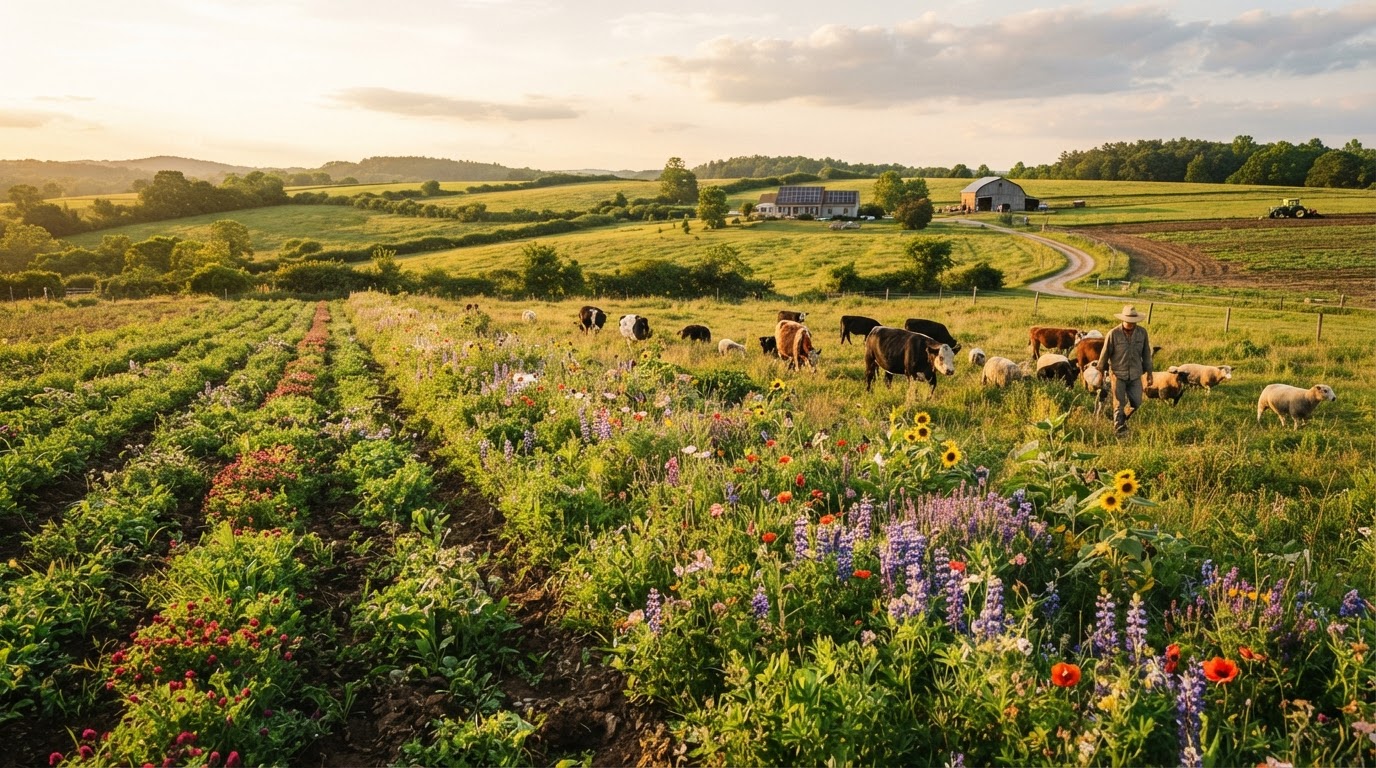
The thin layer of living soil that grows everything we eat is, in most places, thinner than it was a century ago, and the reason is not mysterious. Tillage exposes organic matter to oxidation, bare soil erodes in the wind and the rain, and synthetic inputs substitute for the biology that was doing the work for free. Regenerative farming is the practice of reversing that ledger — building topsoil faster than it is lost.
The toolkit is unglamorous and effective. Stop turning the soil: no-till keeps the fungal networks intact and keeps carbon underground. Keep something growing year-round: cover crops feed the soil biology through the winter when the cash crop is gone, and their roots build structure. Integrate animals: rotational grazing turns grass into manure into humus, and the pasture gets more productive the more it is grazed well.
The reframing is that the soil is alive. A teaspoon of healthy topsoil holds more living organisms than there are people on earth, and the work is not to feed plants but to feed the life that feeds the plants. Compost is not waste disposal; it is inoculation. The mycorrhizal network is not a metaphor; it is the actual plumbing that moves water and minerals to the roots that need them.
Topsoil is the original capital, and like all capital it compounds or it erodes. The regenerative farmer is the one who treats the soil as an asset on the balance sheet — something to be grown, not spent. The irony is that the cheapest food is produced by mining the soil, and the most expensive mistake a civilization can make is to spend down the thing that feeds it. The regenerative move is to start paying the soil back.
On any scale — a backyard bed, a market garden, the eventual homestead — the principle is the same: leave the ground better than you found it, and let the life do the work. The soil that is healing you is the soil you are healing. There is no cheaper leverage anywhere in the system.
Andrew Johnson
Polymath, adventurer, and creator documenting the intersection of fitness, faith, wilderness expeditions, the ambulance overland build, and high-agency thinking across economics, history, and technology.
Follow the journeyMore from The Dispatch
All articles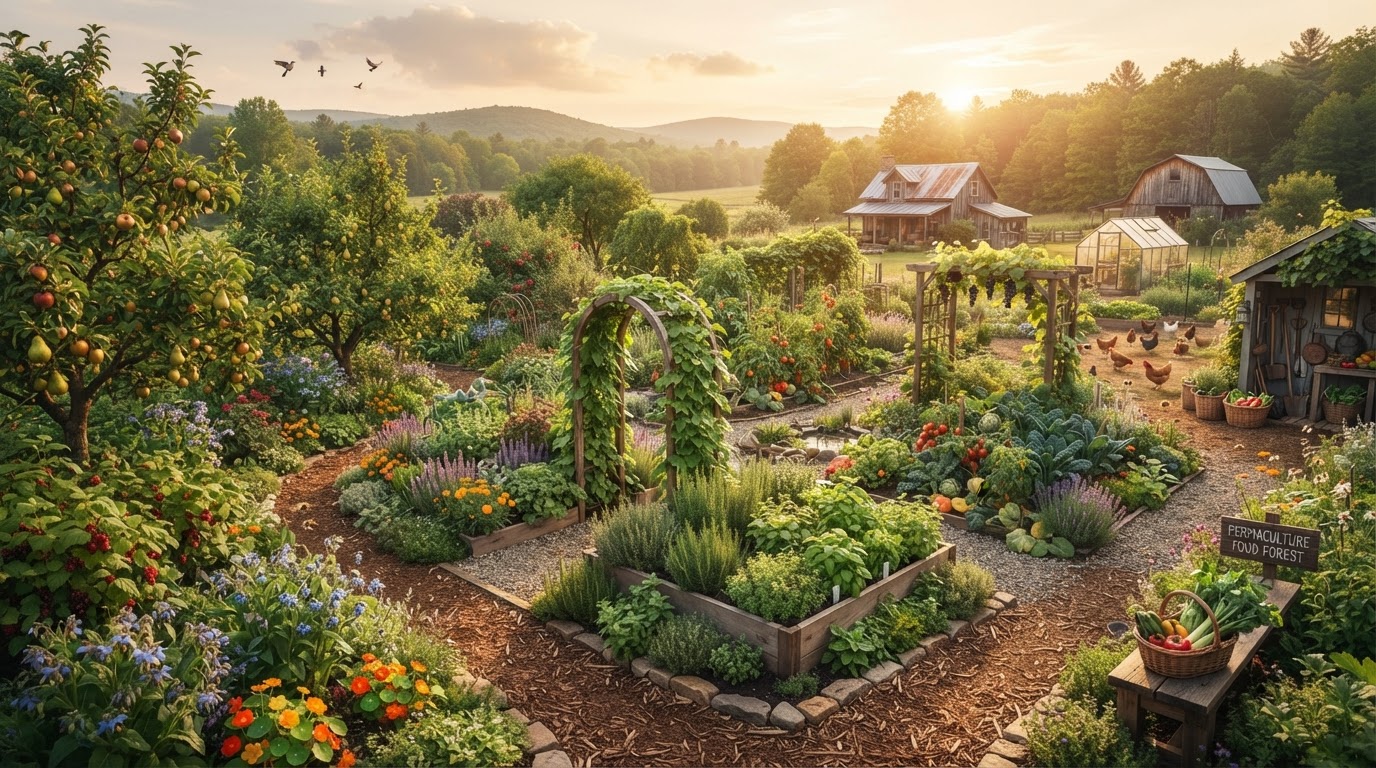 Homestead & Land Stewardship
Permaculture as Stewardship: Designing a Food Forest That Feeds Itself
Permaculture is not a garden style — it's a design ethic. How layered, perennial food forests get easier to maintain the longer they run, and why the land is always teaching if you're taking notes.
 Homestead & Land Stewardship
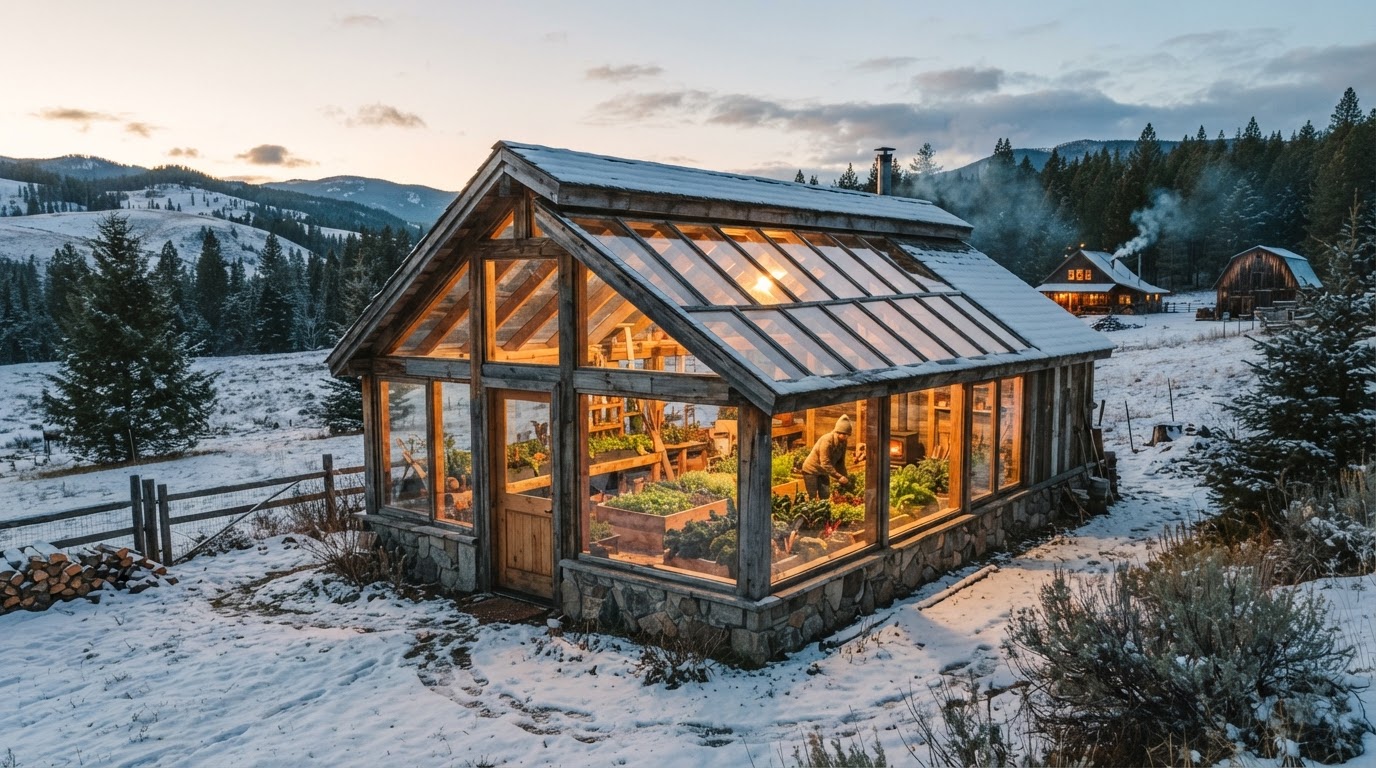
The Passive Solar Greenhouse: Four-Season Growing Off the Grid
A passive solar greenhouse isn't a glass box with a heater — it's a building that uses the sun, orientation, and thermal mass to hold a growing climate through the coldest months without a fuel bill.
 Homestead & Land Stewardship
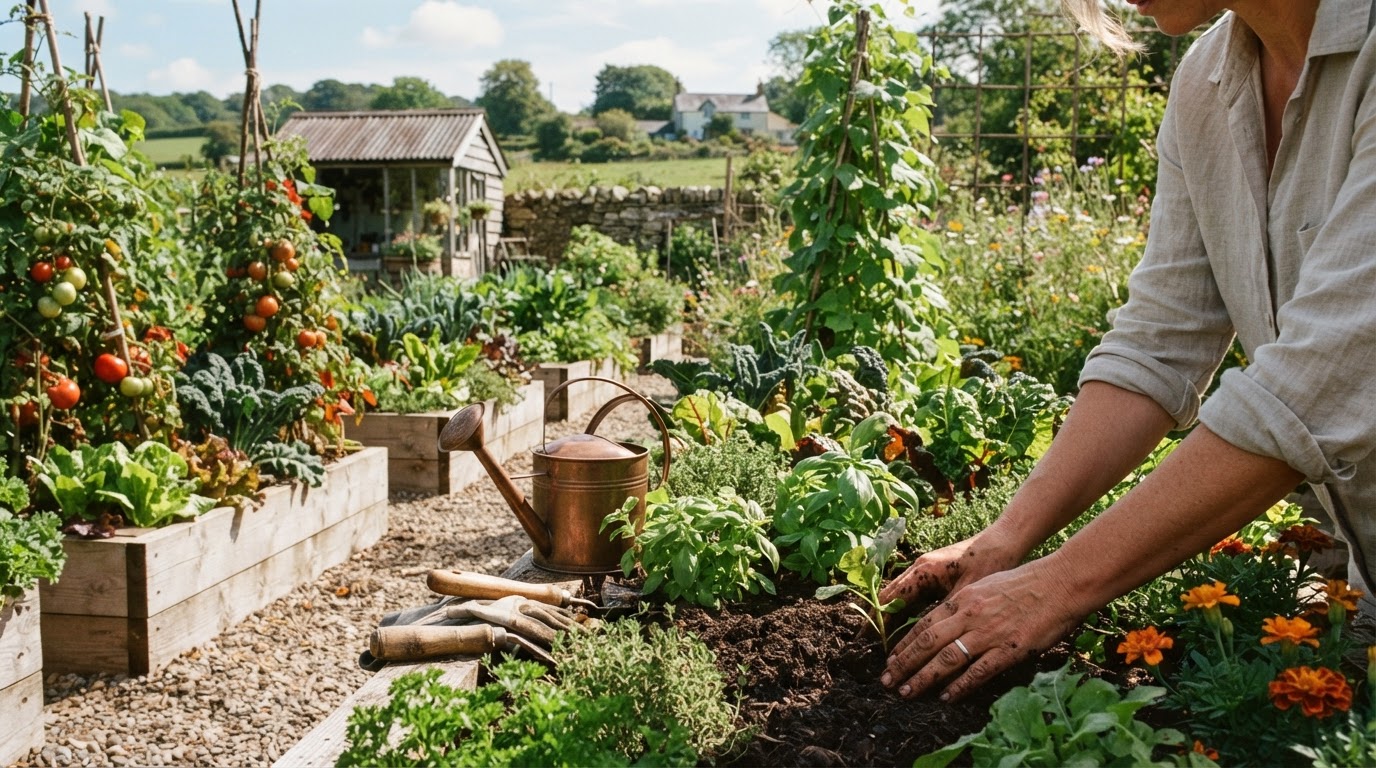
The Kitchen Garden: Abundance Starts in a Raised Bed
If you want to grow food and never have, start with one raised bed — not the Pinterest homestead. The biggest mistake new gardeners make is scaling before they've learned to grow anything.