
Let the sun do the heating and the mass do the storing
The Passive Solar Greenhouse: Four-Season Growing Off the Grid
A passive solar greenhouse isn't a glass box with a heater — it's a building that uses the sun, orientation, and thermal mass to hold a growing climate through the coldest months without a fuel bill.
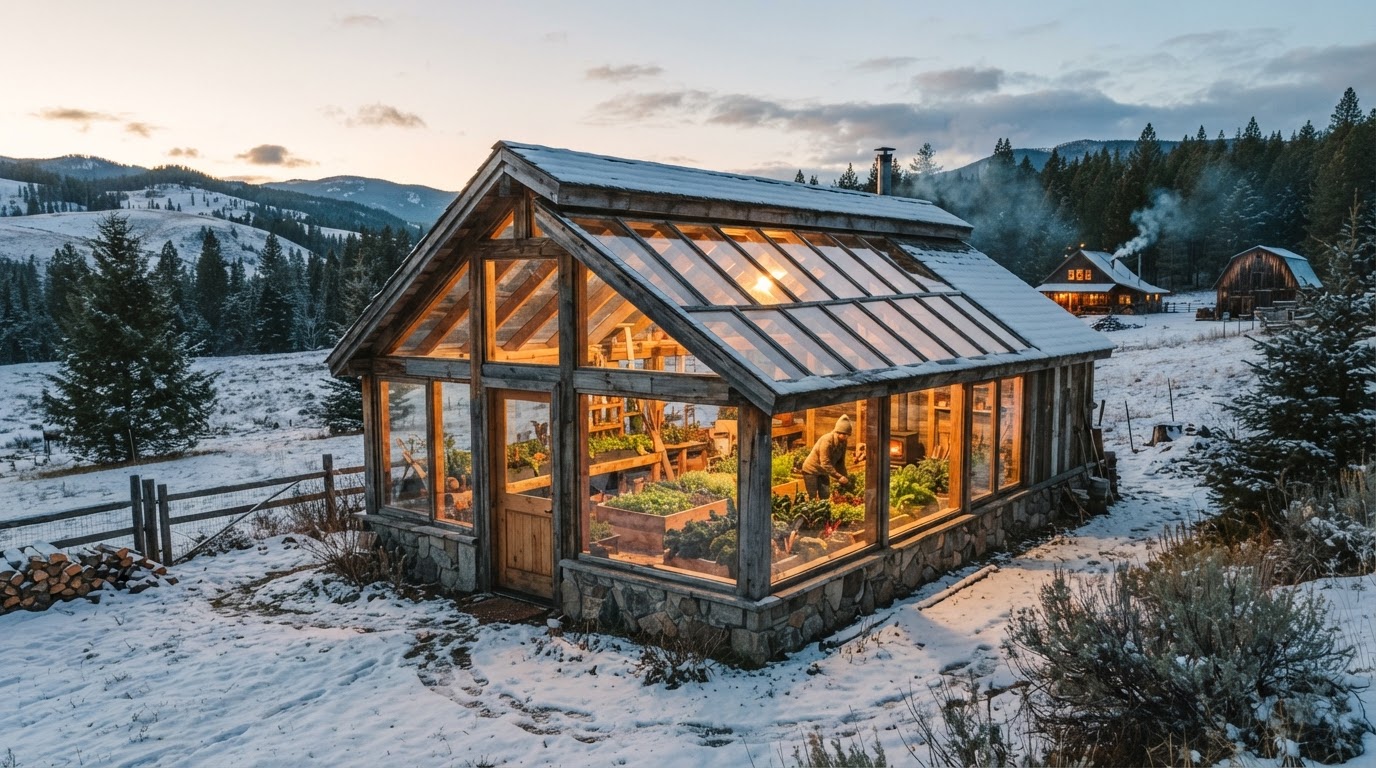
A passive solar greenhouse is not a glass box with a heater. It is a building that uses the sun, the orientation, and the mass of its own materials to hold a growing climate through the coldest months — without a thermostat and without a fuel bill. The discipline is in the design, and the design is in listening to physics rather than fighting it.
Orientation is the first move. Face the glazing toward the winter sun — in the northern hemisphere, due south, with the angle tuned to catch the low light when you need it most. The back wall and floor are thermal mass: stone, concrete, water barrels, even earth. They absorb heat through the short winter day and release it slowly through the long cold night. The building breathes, in heat and out heat, on a twenty-four-hour rhythm.
Insulation does the quiet work. The north wall, which never sees the winter sun, should be insulated and opaque — there is no reason to let heat escape through glass that earns nothing. The foundation should be insulated against the frozen ground. Ventilation is the other half: a greenhouse that cannot shed heat will cook its plants in March. The best designs open themselves automatically, with thermal actuators that need no electricity.
The payoff is four-season growing in a climate that would otherwise shut the garden down for half the year. Greens through January, starts in February, tomatoes a month earlier than the field. On an off-grid homestead — or a mobile one — a structure that heats and cools itself is not a luxury; it is the difference between dependence and resilience.
This is the greenhouse I will build when the homestead lands. Until then, the planning is the work: the sun path, the slope, the materials I can source locally, the angle that lets the winter light do the warming. Build the rig, find the land, read the sun, and let the mass do what mass does. The cheapest BTU is the one the sun delivers for free.
Andrew Johnson
Polymath, adventurer, and creator documenting the intersection of fitness, faith, wilderness expeditions, the ambulance overland build, and high-agency thinking across economics, history, and technology.
Follow the journeyMore from The Dispatch
All articles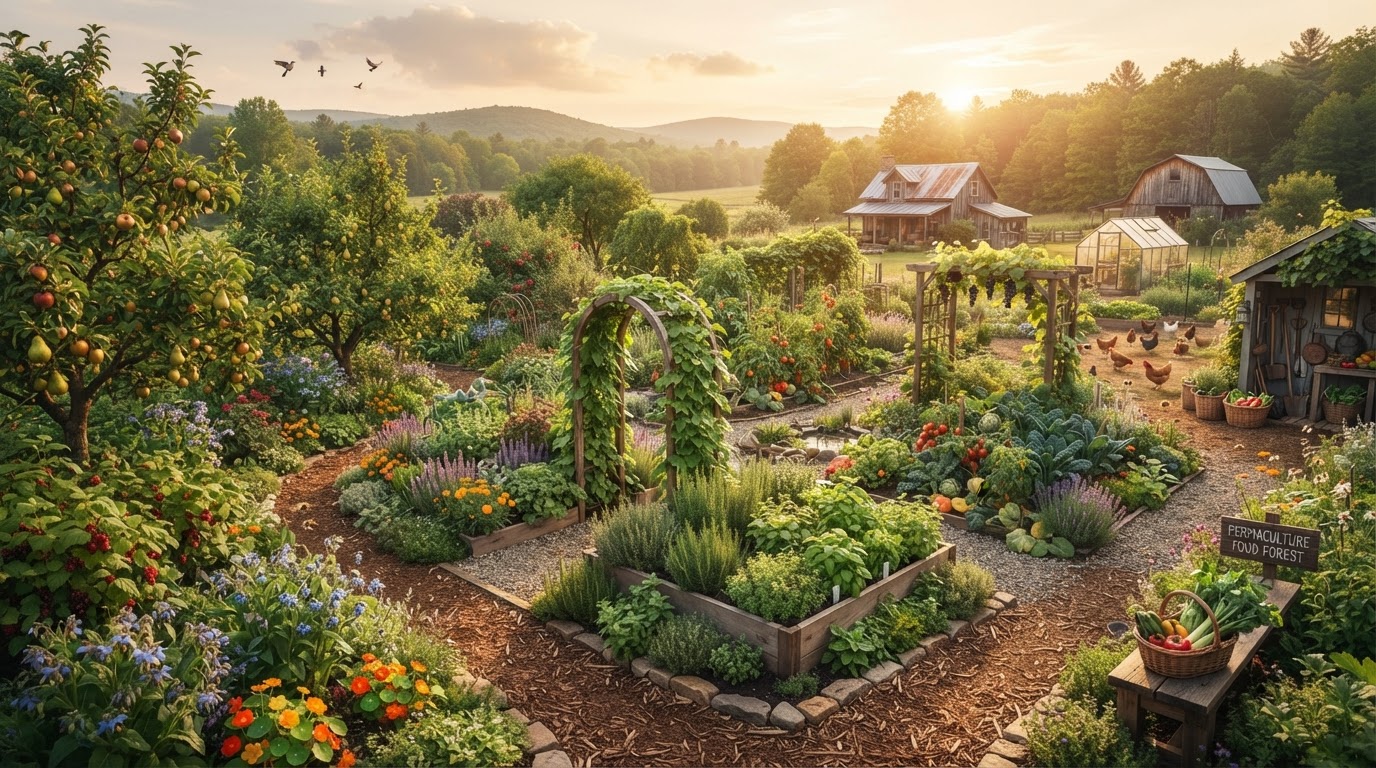 Homestead & Land Stewardship
Permaculture as Stewardship: Designing a Food Forest That Feeds Itself
Permaculture is not a garden style — it's a design ethic. How layered, perennial food forests get easier to maintain the longer they run, and why the land is always teaching if you're taking notes.
 Homestead & Land Stewardship
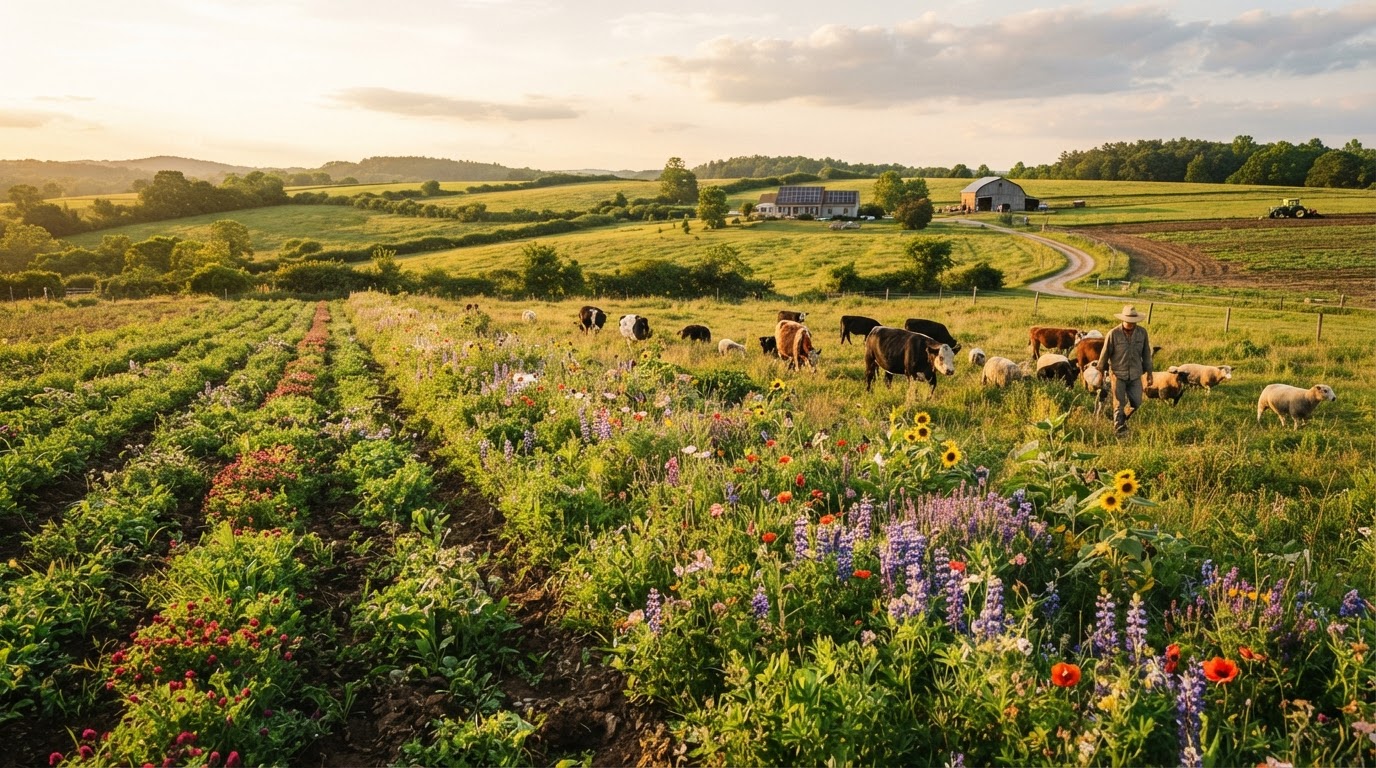
Regenerative Farming: Healing the Soil That Heals You
The thin layer of living soil that grows everything we eat is thinner than it was a century ago. Regenerative farming is the practice of reversing that ledger — building topsoil faster than it is lost.
 Homestead & Land Stewardship
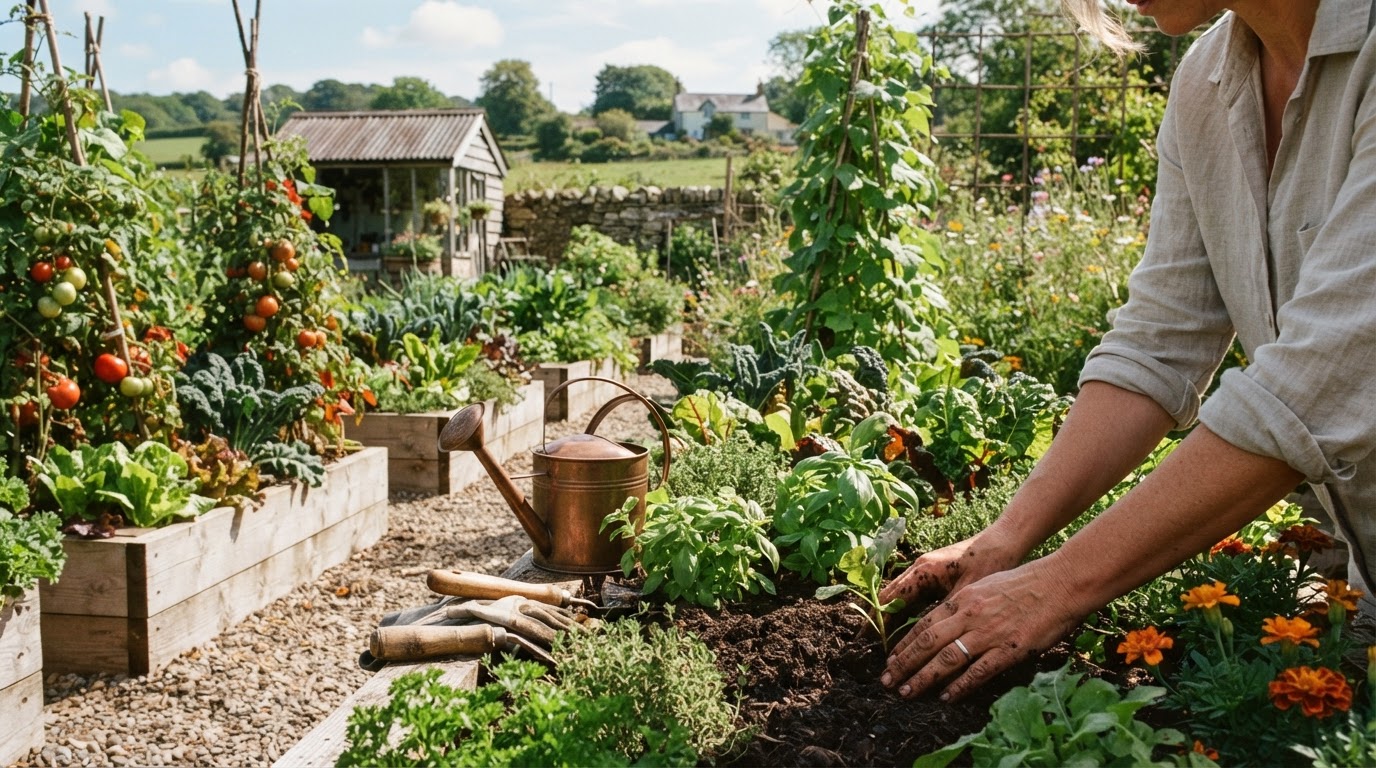
The Kitchen Garden: Abundance Starts in a Raised Bed
If you want to grow food and never have, start with one raised bed — not the Pinterest homestead. The biggest mistake new gardeners make is scaling before they've learned to grow anything.