
Start smaller than you think
The Kitchen Garden: Abundance Starts in a Raised Bed
If you want to grow food and never have, start with one raised bed — not the Pinterest homestead. The biggest mistake new gardeners make is scaling before they've learned to grow anything.
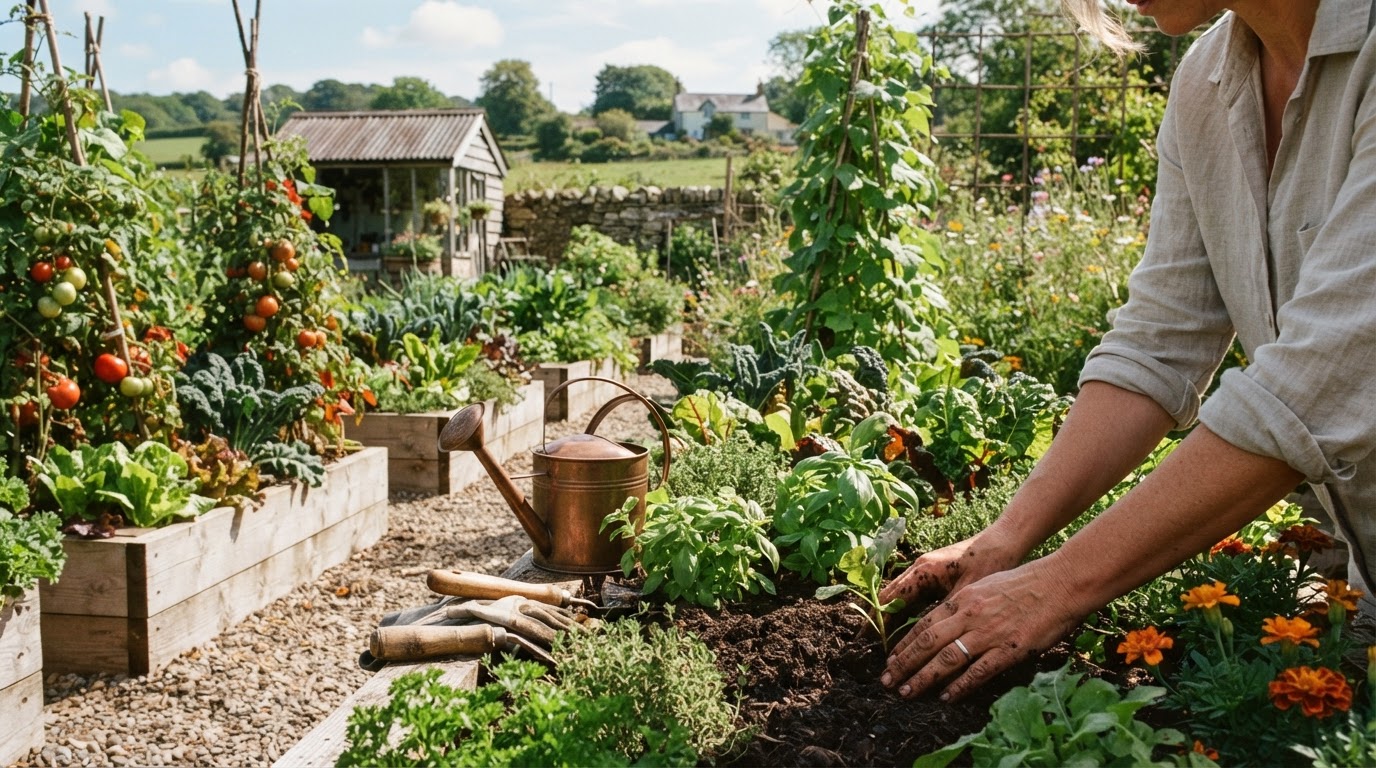
If you want to grow food and you have never done it, start with one raised bed. Not a quarter-acre, not a market garden, not the idealized homestead — one bed, four by eight, waist-high, filled with the best soil you can afford. The biggest mistake new gardeners make is scaling before they have learned to grow anything, and the second biggest is treating soil as an afterthought when it is the entire enterprise.
Raised beds solve three problems at once. They let you control the soil from day one instead of fighting clay or sand for seasons. They drain, which most plants prefer. And they bring the work up to a height that means you will actually do it — bending is the enemy of consistency, and consistency is the only thing that grows a garden. Build it high enough that weeding is a five-minute habit, not a chore you avoid.
Grow what you eat, not what photographs well. Radishes, lettuce, bush beans, herbs, cherry tomatoes: things that are forgiving, fast, and rewarding in the first month. The psychological win of harvesting something you grew is the only thing that carries you through the inevitable failures — and there will be failures, because gardening is a practice, not a project. The gardener who lasts is the one who expects to lose plants and keeps planting anyway.
The parallel to the rest of the journey is exact. Fitness, faith, the overland build, the homestead — none of it rewards the grand plan that is never started. They all reward the small, repeatable, sustainable thing done for a long time. A raised bed is the garden version of showing up ordinary, often, with whatever you have. The abundance is a byproduct of the consistency, not the cause of it.
I will document the kitchen garden alongside the rig and the fitness practice, because they are all the same ethic in different media: steward what you are given, start smaller than you think, and let the compounding do the heavy lifting. The harvest that feeds you is the harvest you showed up for.
Andrew Johnson
Polymath, adventurer, and creator documenting the intersection of fitness, faith, wilderness expeditions, the ambulance overland build, and high-agency thinking across economics, history, and technology.
Follow the journeyMore from The Dispatch
All articles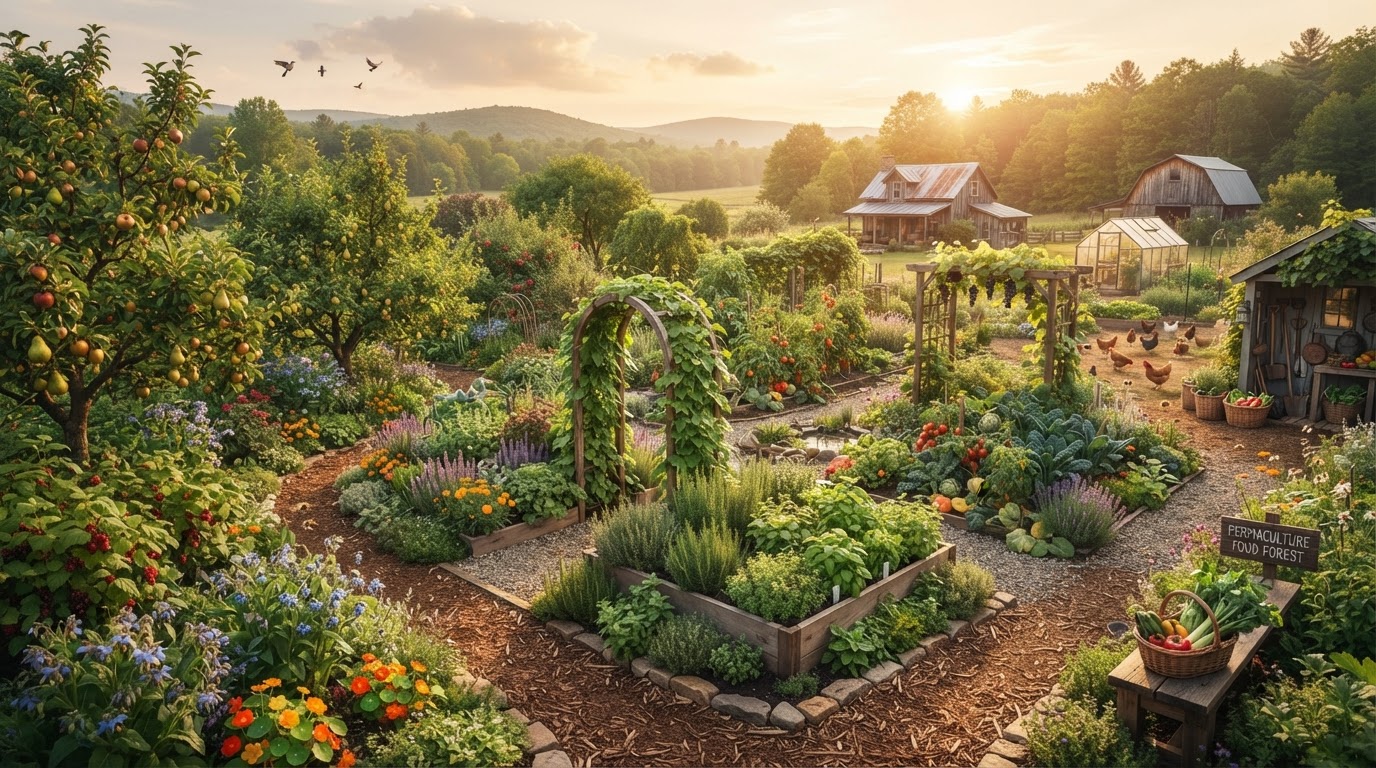 Homestead & Land Stewardship
Permaculture as Stewardship: Designing a Food Forest That Feeds Itself
Permaculture is not a garden style — it's a design ethic. How layered, perennial food forests get easier to maintain the longer they run, and why the land is always teaching if you're taking notes.
 Homestead & Land Stewardship
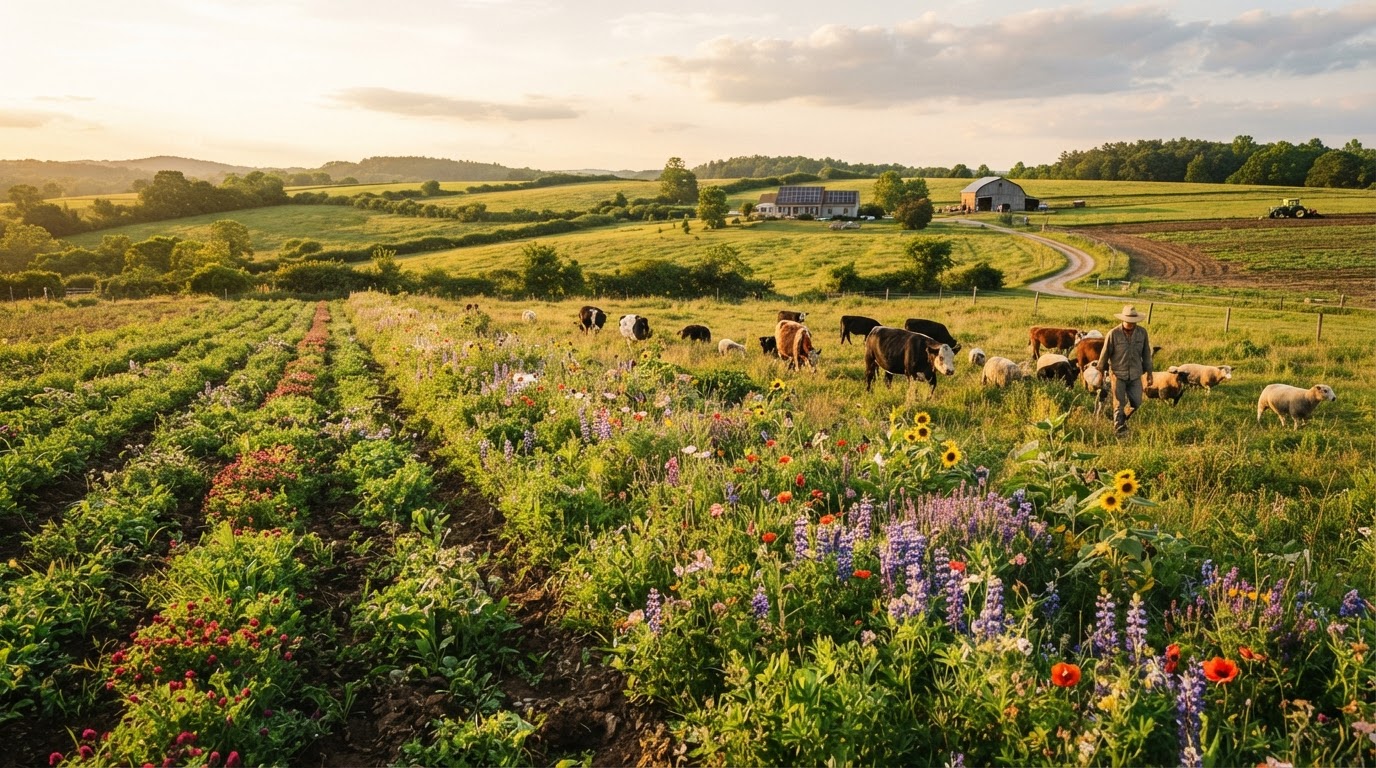
Regenerative Farming: Healing the Soil That Heals You
The thin layer of living soil that grows everything we eat is thinner than it was a century ago. Regenerative farming is the practice of reversing that ledger — building topsoil faster than it is lost.
 Homestead & Land Stewardship
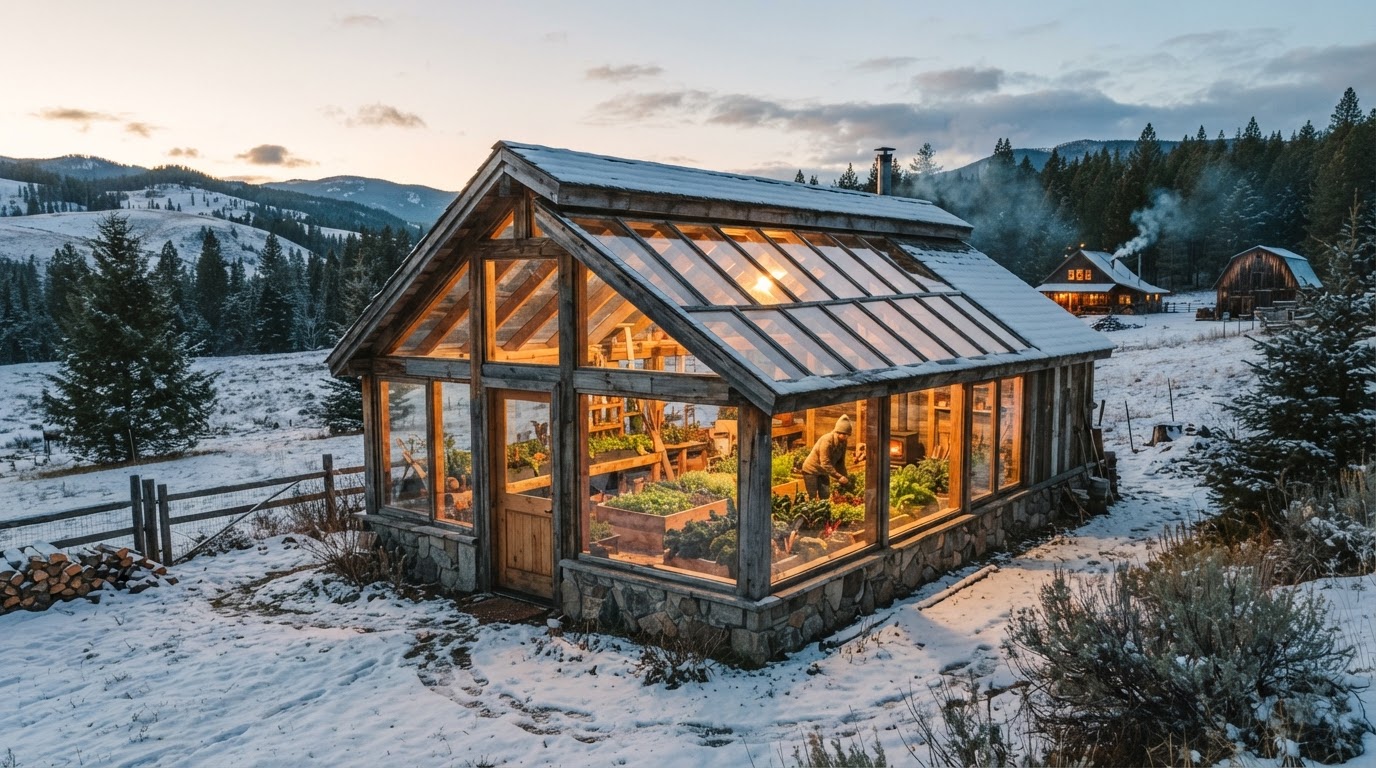
The Passive Solar Greenhouse: Four-Season Growing Off the Grid
A passive solar greenhouse isn't a glass box with a heater — it's a building that uses the sun, orientation, and thermal mass to hold a growing climate through the coldest months without a fuel bill.