
The forest is a grocery store if you can read the aisles
Wild Foraging: Reading the Landscape Like a Pantry
Foraging is not survival theatre — it's the oldest human relationship with land. Once you start, the woods stop being scenery and become a pantry, and a walk becomes a lesson no classroom can teach.
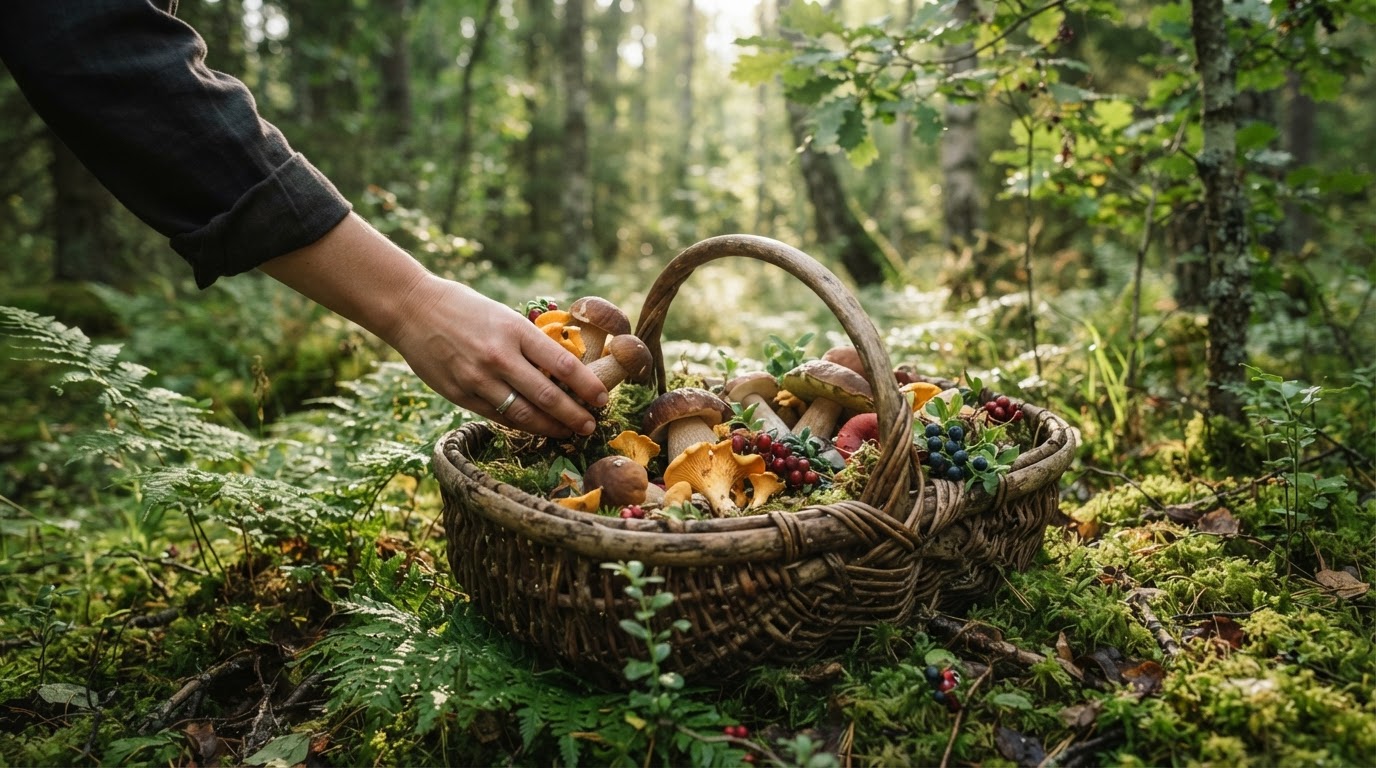
Foraging is not survival theatre. It is the oldest human relationship with land — the practice of reading a landscape well enough to eat from it without owning it. Once you start, the woods stop being scenery and become a pantry, and a walk becomes a lesson in botany, season, and restraint that no gym or classroom can teach.
Start with one or two plants you can identify with certainty and that grow in quantities that can handle a harvest. Dandelion, nettle, wild garlic, lamb's quarters — the common weeds that are almost impossible to misidentify and that grow everywhere. Never eat anything you cannot identify with one hundred percent confidence; the cost of a mistake is not worth the lesson. A field guide, a local foraging group, and a season of observation before you eat is the responsible path.
Forage with rules. Take less than half. Never pull the root unless you mean to. Leave the patch better than you found it — spread seed, mind the pollinators, do not strip the easy spots until they are gone. The forager who empties a patch is a miner, not a steward. The good ones know their spots the way a farmer knows a field: visited, tended, and still productive next year.
The seasonal literacy is the real reward. You start to notice when the fiddleheads uncurl, when the mushrooms flush after a rain, when the berries ripen on the south-facing slope before the north. The calendar moves from an abstraction into a felt thing. I have learned more about patience, and about the land I walk through, by waiting for a patch of ramps than by reading about it.
On the road, foraging turns travel into relationship. A stretch of trail I have only driven through becomes a place I have eaten from, and a place I have eaten from I will not forget. It is the same ethic as the homestead and the rig: read the land, take only what it can spare, and let the practice make you more attentive than you were.
Andrew Johnson
Polymath, adventurer, and creator documenting the intersection of fitness, faith, wilderness expeditions, the ambulance overland build, and high-agency thinking across economics, history, and technology.
Follow the journeyMore from The Dispatch
All articles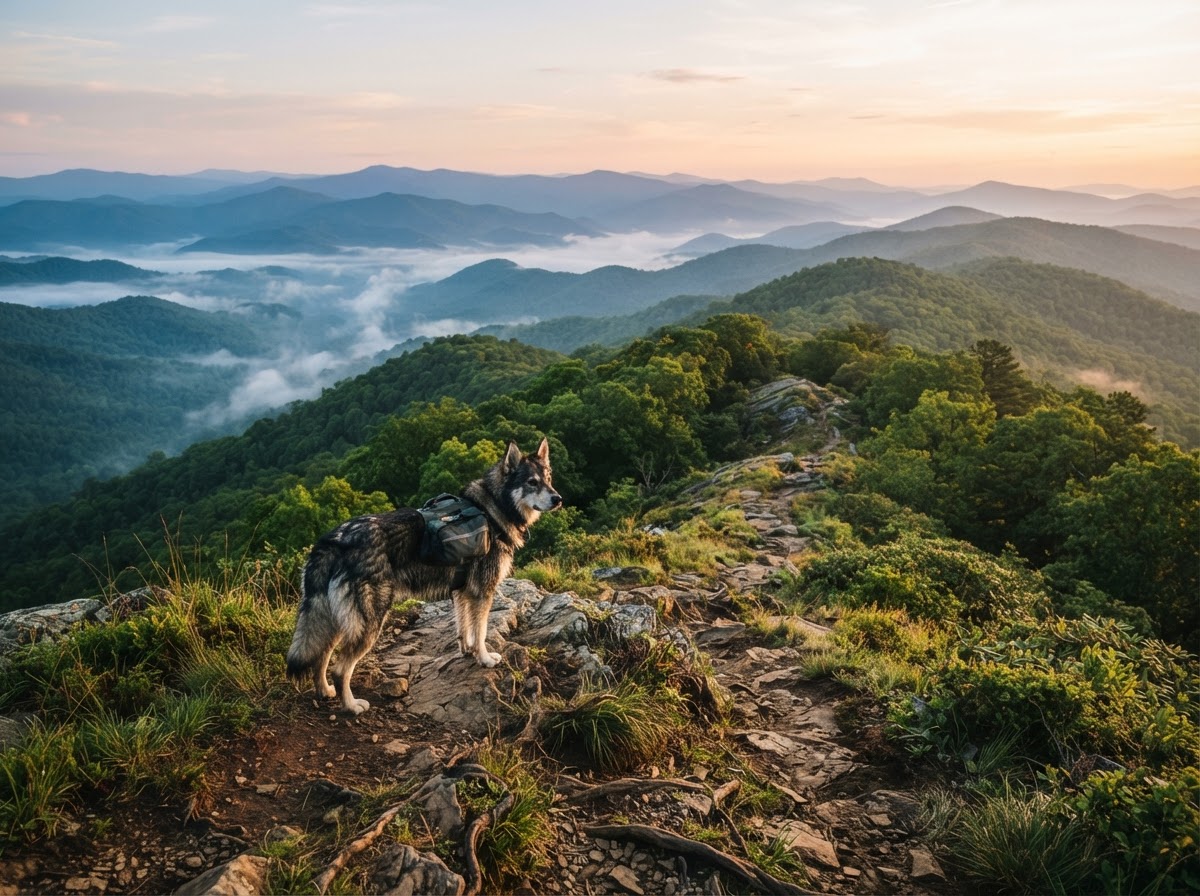 Travel & Adventure
Chasing River: Trail Notes from a Husky-Shepherd Co-Pilot
What a husky-shepherd mix taught me about pace, presence, and reading the land. Field notes from ridge runs, river crossings, and predawn starts with my most honest training partner.
 Travel & Adventure
Why the Open Road Is the Best Classroom I've Ever Known
Lessons in self-reliance, problem-solving, and humility gathered from breakdowns, wrong turns, and trailhead conversations across thousands of miles of backcountry.
 Travel & Adventure
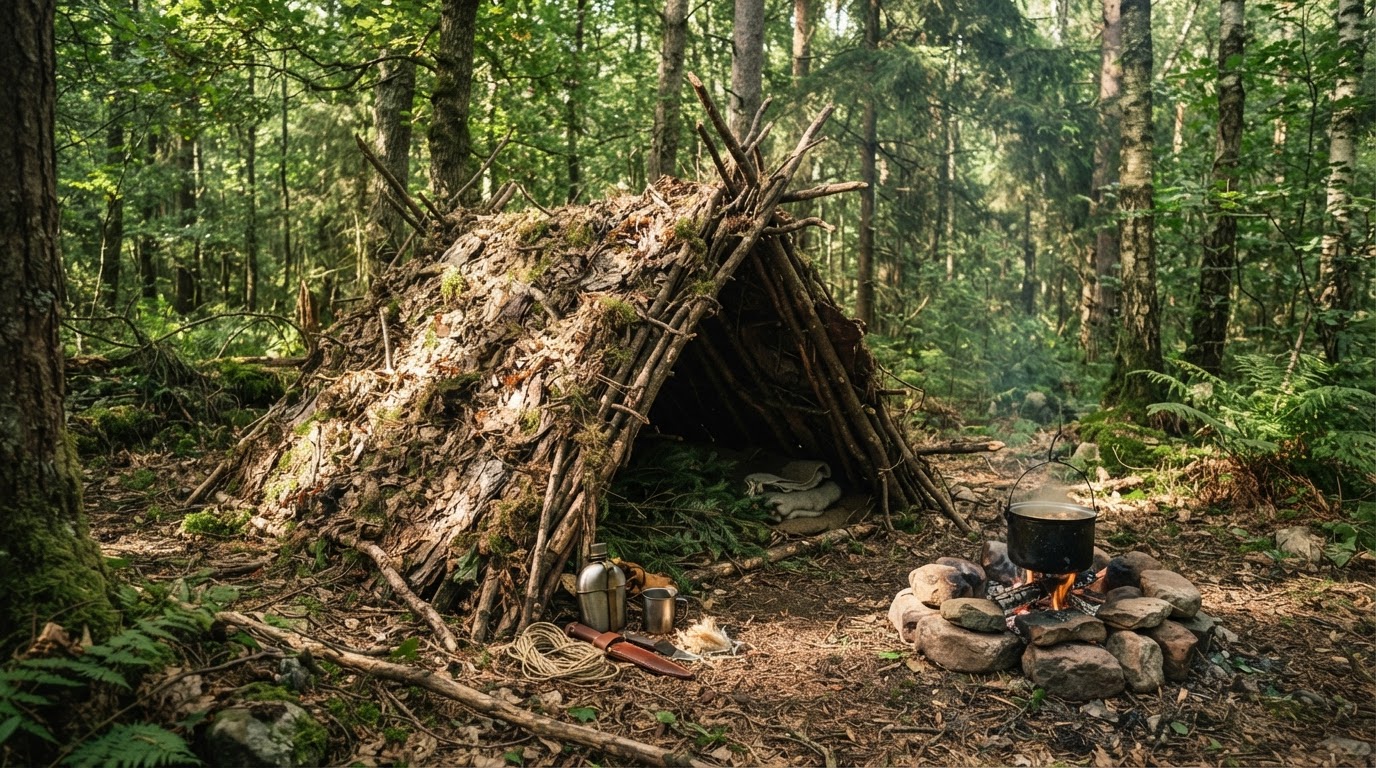
Survival Skills as Baseline Competence: What the Wild Actually Requires
Real survival skills are nothing like the TV version. They're mostly the boring competence of not getting into a survival situation — and, failing that, solving one solvable problem at a time.