
Survival is not dramatic; it is boring and competent
Survival Skills as Baseline Competence: What the Wild Actually Requires
Real survival skills are nothing like the TV version. They're mostly the boring competence of not getting into a survival situation — and, failing that, solving one solvable problem at a time.
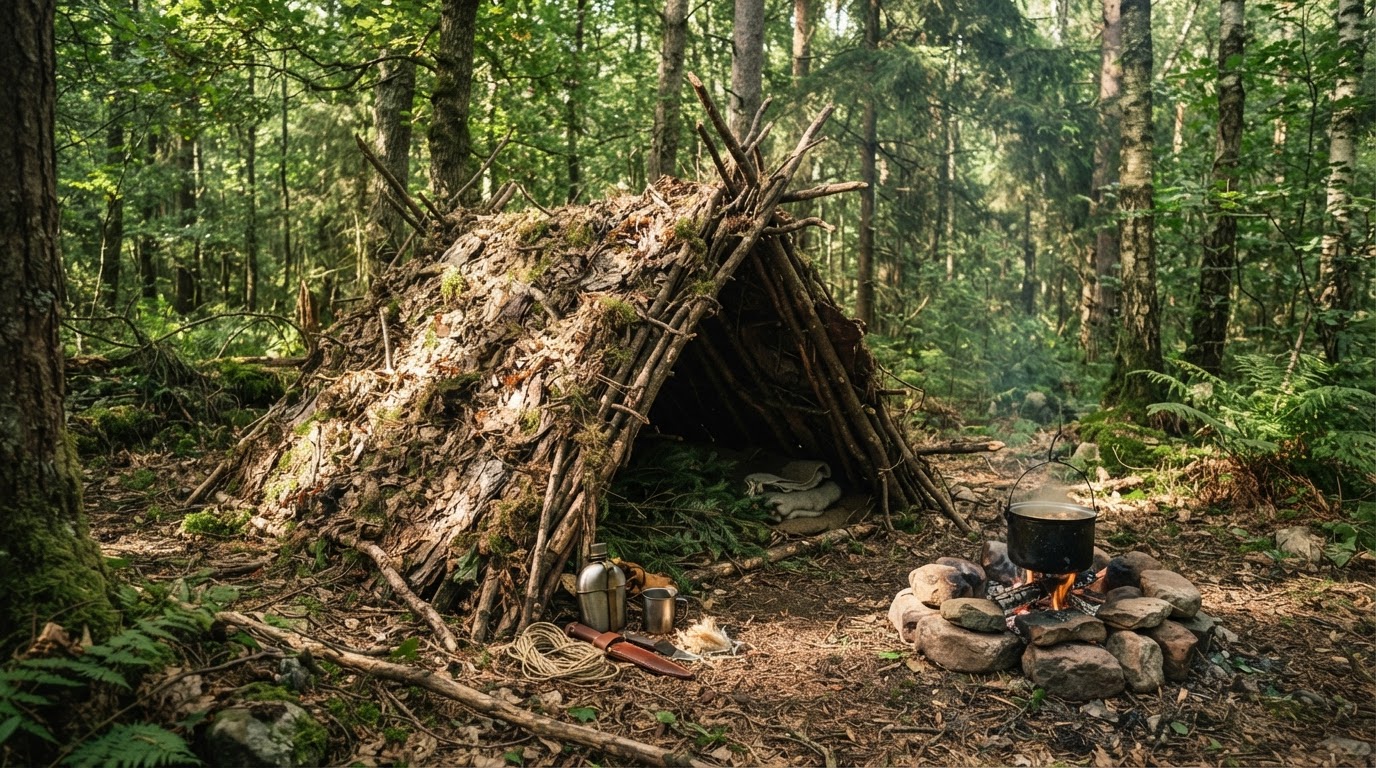
Real survival skills are nothing like the television version. There is no dramatic montage and no triumphant rescue in the third act. Survival is mostly the boring competence of not getting into a survival situation in the first place — and, failing that, the unglamorous discipline of keeping a cool head while you solve one solvable problem at a time. The rule of three is the whole curriculum: three minutes without air, three hours without shelter, three days without water, three weeks without food. Notice the order.
Shelter comes before water comes before food, and the reason is thermodynamics, not preference. A person exposed to cold will die of exposure long before they die of thirst, and a dehydrated person will die long before they starve. The skills that matter are the unsexy ones: building a debris shelter that traps your body heat, locating and purifying water, regulating your temperature through clothing and shelter instead of through calories you do not have to spare.
The competence worth building is specific. Carry the ten essentials. Know how to use a map and compass before the phone dies. Know how to start a fire in the wet and the cold, not just in the dry and the warm. Know how to signal, how to splint a fracture, how to purify water three ways. These are not paranoid skills; they are the same skills a tradesperson brings to a job site, applied to the wild.
The deeper lesson is psychological. Most survival situations are survived or lost in the first hour, and the deciding factor is almost always the decision to panic or not to. The training is not about the fire or the shelter; it is about the mind that, under stress, defaults to solving the next problem instead of catastrophizing about the last one. That is a transferable skill, and it is the one I value most from time in the backcountry.
This is the baseline competence the overland rig is built around: a vehicle and a skill set that let me go further with a wider margin for the ordinary disaster. Not to live on the edge, but to make the edge survivable so it stops being the edge. Build the skills before you need them, and the wild becomes a place you visit instead of a place that punishes you.
Andrew Johnson
Polymath, adventurer, and creator documenting the intersection of fitness, faith, wilderness expeditions, the ambulance overland build, and high-agency thinking across economics, history, and technology.
Follow the journeyMore from The Dispatch
All articles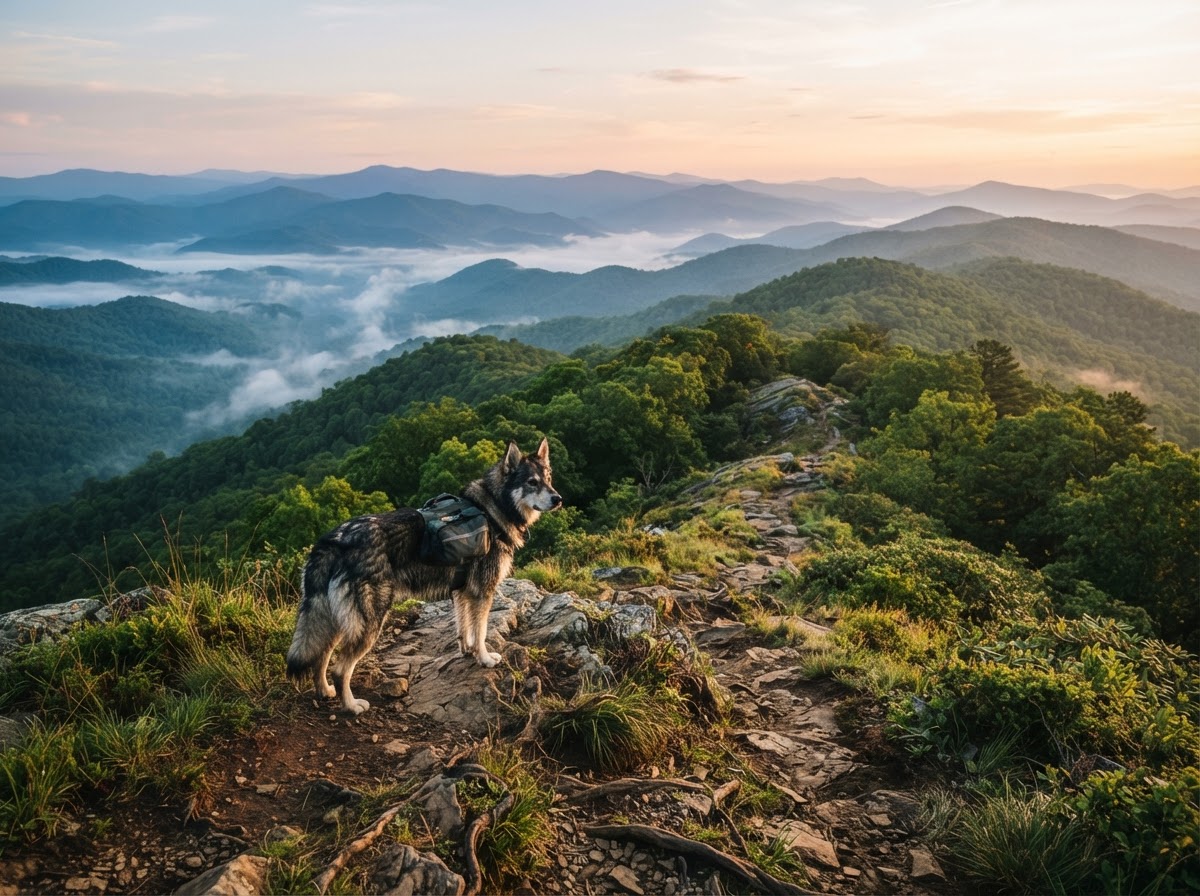 Travel & Adventure
Chasing River: Trail Notes from a Husky-Shepherd Co-Pilot
What a husky-shepherd mix taught me about pace, presence, and reading the land. Field notes from ridge runs, river crossings, and predawn starts with my most honest training partner.
 Travel & Adventure
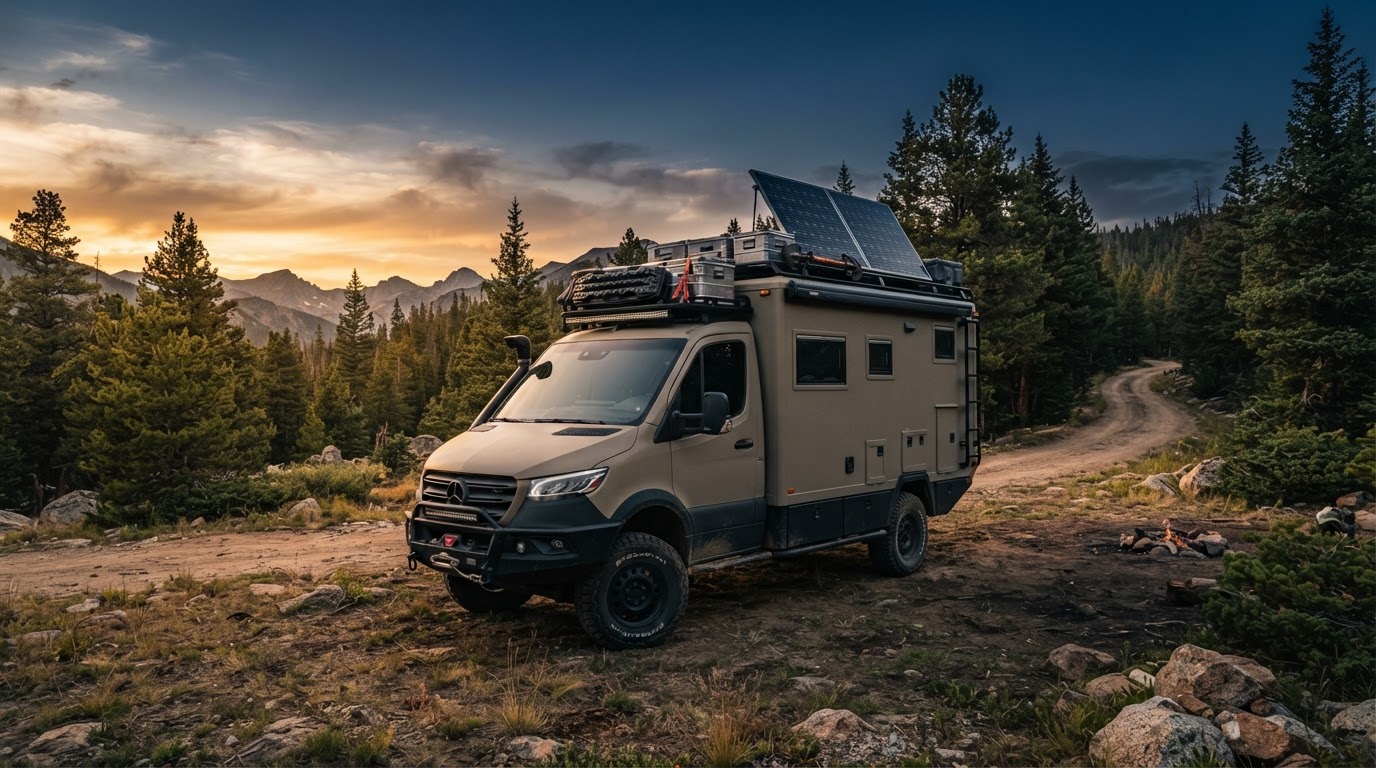
Why the Open Road Is the Best Classroom I've Ever Known
Lessons in self-reliance, problem-solving, and humility gathered from breakdowns, wrong turns, and trailhead conversations across thousands of miles of backcountry.
 Travel & Adventure
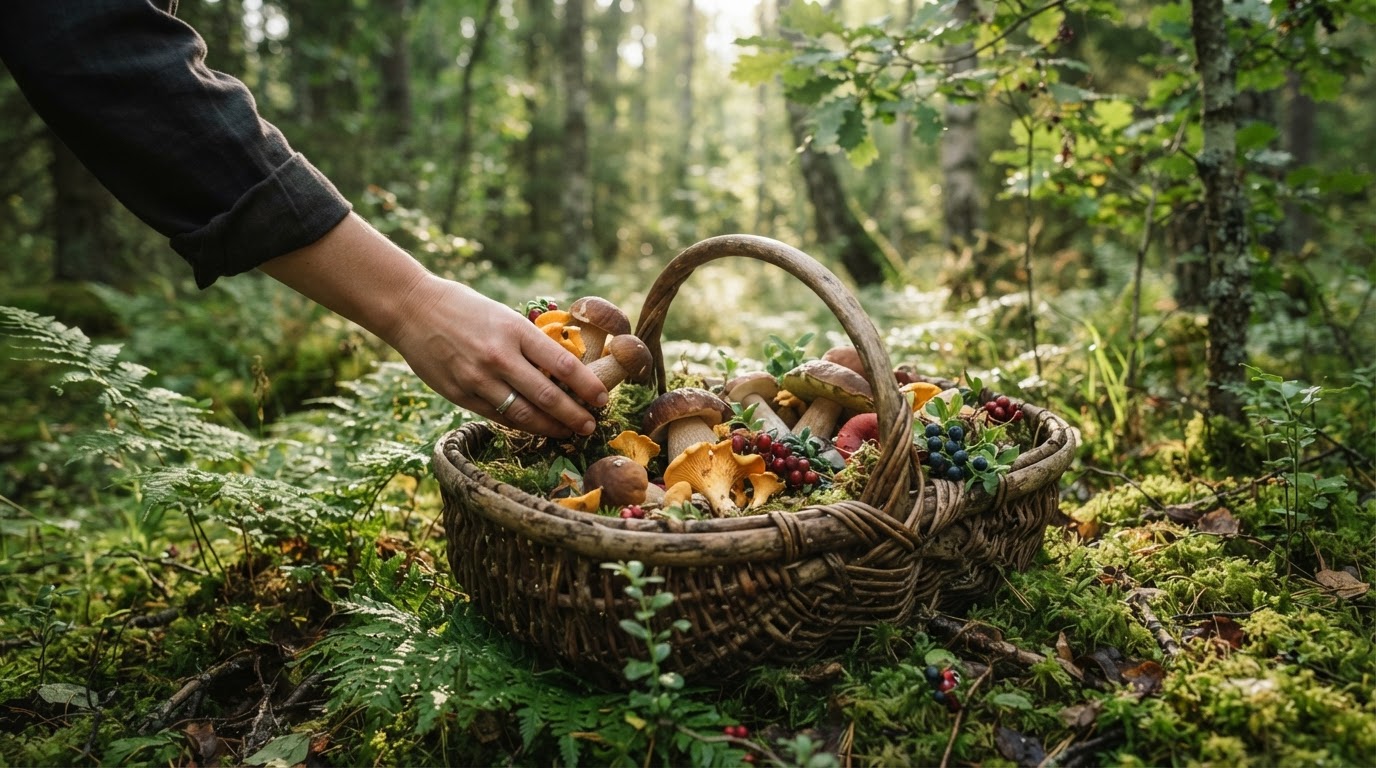
Wild Foraging: Reading the Landscape Like a Pantry
Foraging is not survival theatre — it's the oldest human relationship with land. Once you start, the woods stop being scenery and become a pantry, and a walk becomes a lesson no classroom can teach.