
What breakdowns and wrong turns teach that a syllabus cannot
Why the Open Road Is the Best Classroom I've Ever Known
Lessons in self-reliance, problem-solving, and humility gathered from breakdowns, wrong turns, and trailhead conversations across thousands of miles of backcountry.
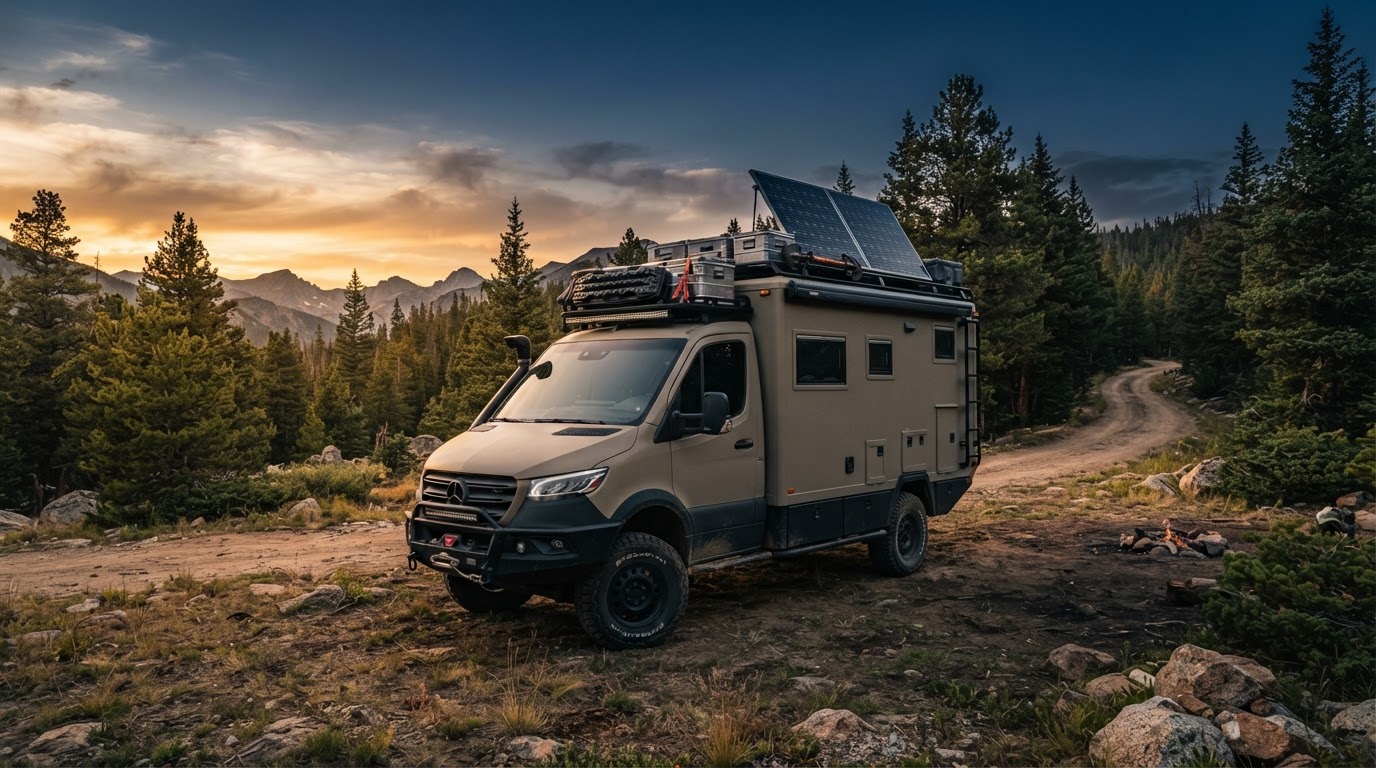
I have learned more in breakdowns than in classrooms. Not because classrooms are useless — they are not — but because the road teaches a curriculum no one wrote down: self-reliance under uncertainty, problem-solving with what is actually in the truck, and the humility that comes from being wrong about how far the next town was.
The first lesson is that plans are hypotheses. You leave with a route, a timeline, a list of things you intend to see. Within a day, reality has edited all of it. The road that was open is closed. The fuel stop that was on the map is not. The weather that was supposed to hold did not. The travelers who do well are not the ones with the best plans; they are the ones who revise fastest without losing the plot.
The second lesson is that competence is specific and situational. Knowing how to change a tire in a driveway is not the same as changing one on a gravel shoulder in the rain with a half-charged phone and a dog who wants to help. The road strips the comfortable version of a skill and leaves the real one. You find out what you actually know, and you get better at the gap between the two.
The third lesson — and the one I value most — is the trailhead conversation. The people you meet at the margins of the map are disproportionately interesting, because interesting people are disproportionately drawn to the margins. A retired fire captain, a couple building a cabin off-grid, a guide who has run the same river for thirty years. These are not networking contacts; they are perspective adjustments. A ten-minute talk at a trailhead has rerouted more of my thinking than most of the books on my shelf.
Humility is the throughline. The road does not care about your credentials. It does not grade on a curve. It gives you the same weather, the same mud, the same mechanical reality it gives everyone, and it reveals exactly what you are prepared for and what you are not. That honesty is rare and it is valuable, and it is the thing I keep going back for.
This is a big part of why I am building the ambulance rig: to extend the classroom. A vehicle that can reach further, stay longer, and work from the road turns the occasional lesson into a continuous one. The plan is not to escape the world; it is to put myself in the places where the world teaches the hardest and the best, more often, with River, with a camera, and with the time to actually listen.
Andrew Johnson
Polymath, adventurer, and creator documenting the intersection of fitness, faith, wilderness expeditions, the ambulance overland build, and high-agency thinking across economics, history, and technology.
Follow the journeyMore from The Dispatch
All articles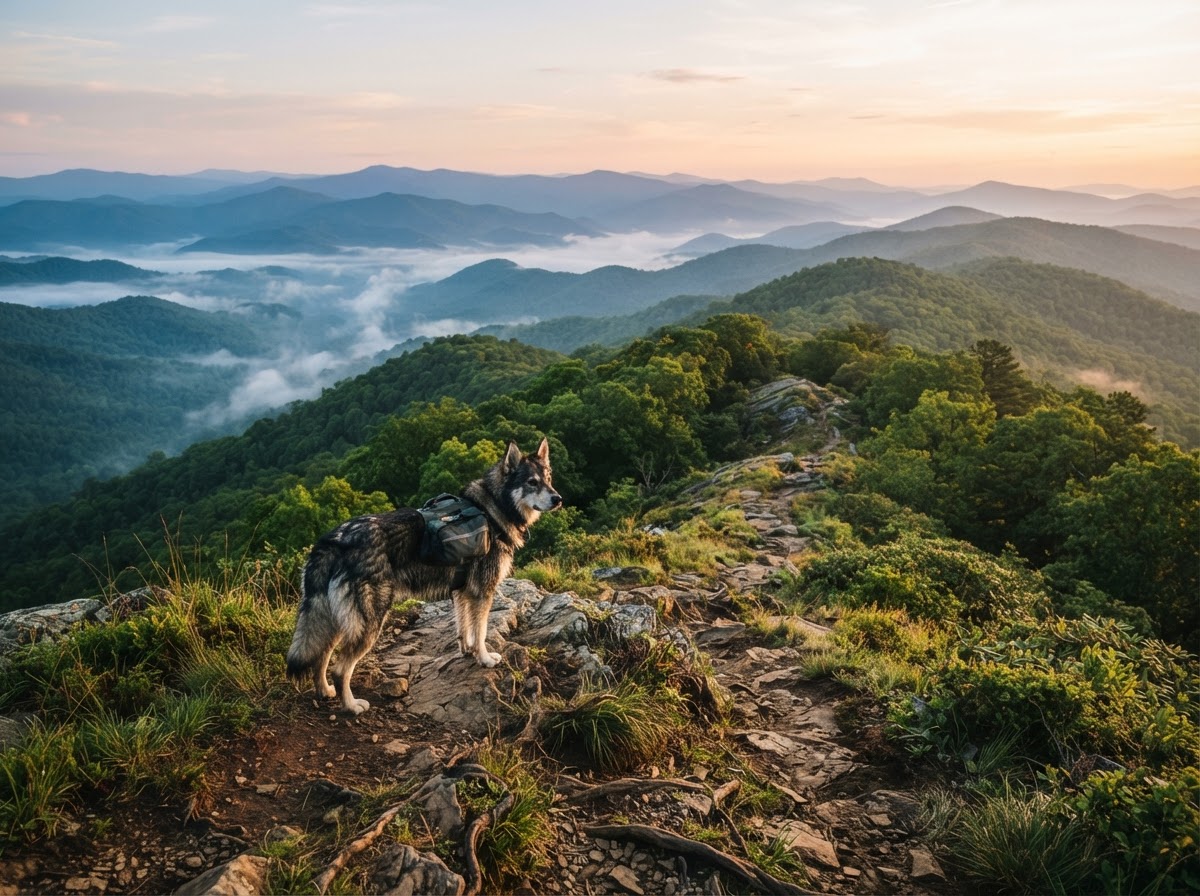 Travel & Adventure
Chasing River: Trail Notes from a Husky-Shepherd Co-Pilot
What a husky-shepherd mix taught me about pace, presence, and reading the land. Field notes from ridge runs, river crossings, and predawn starts with my most honest training partner.
 Travel & Adventure
Wild Foraging: Reading the Landscape Like a Pantry
Foraging is not survival theatre — it's the oldest human relationship with land. Once you start, the woods stop being scenery and become a pantry, and a walk becomes a lesson no classroom can teach.
 Travel & Adventure
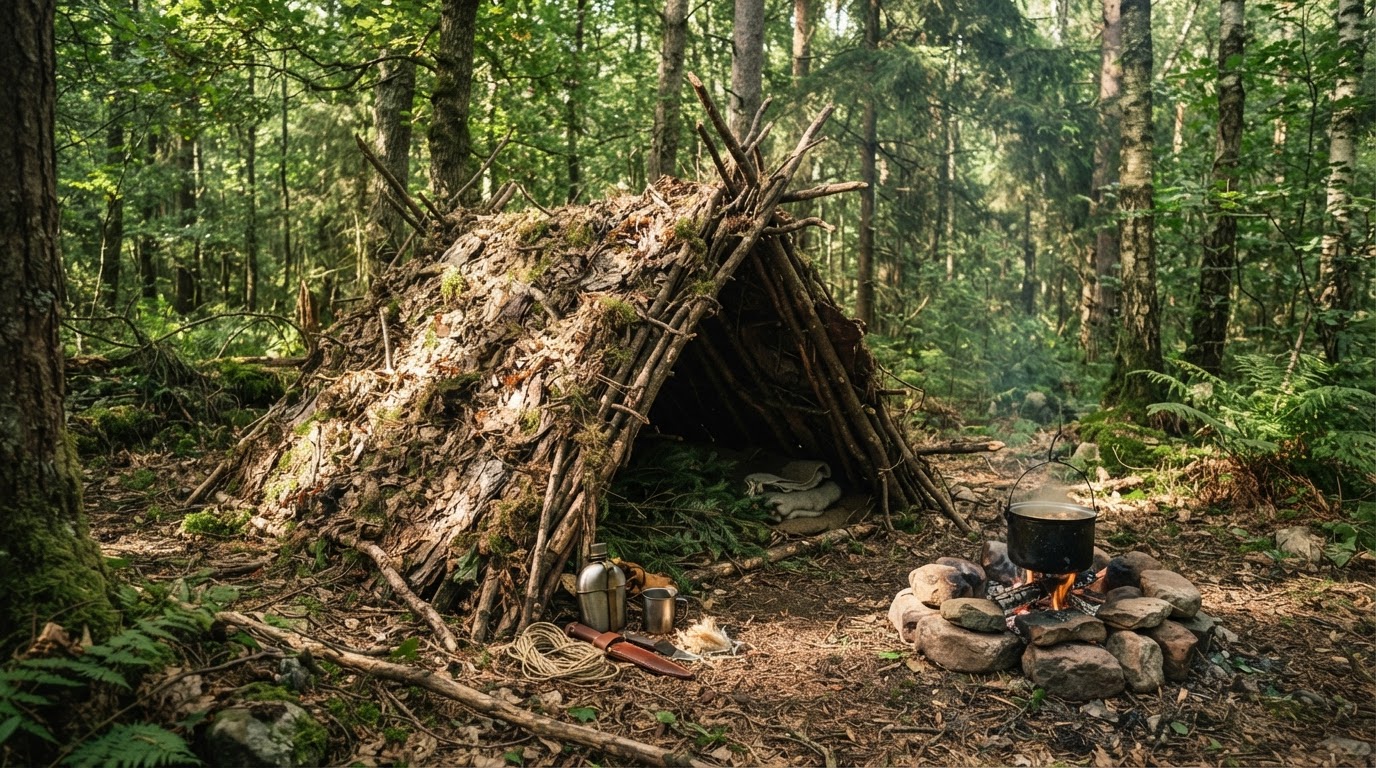
Survival Skills as Baseline Competence: What the Wild Actually Requires
Real survival skills are nothing like the TV version. They're mostly the boring competence of not getting into a survival situation — and, failing that, solving one solvable problem at a time.